



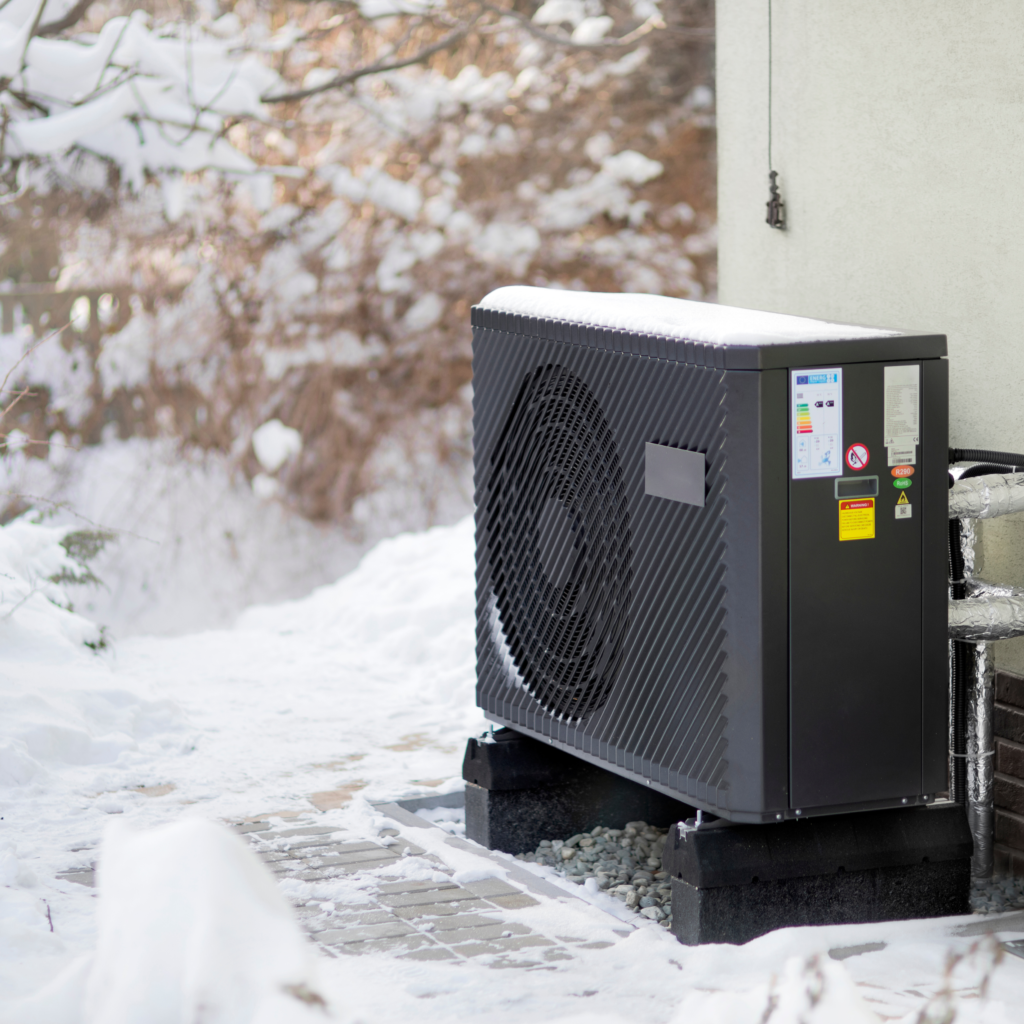
Air Source Heat Pump for Your Home, Free for Qualifying Households.

If your home feels cold, your heating is on too often, and your energy bills keep climbing, an air source heat pump can be one of the most effective upgrades you can make. It replaces or upgrades the way your home is heated by moving heat from the outside air into your home’s heating system. The result is steady indoor warmth, better comfort in every room, and a heating setup that can cost less to run when it is correctly designed for your property.

Through the Warm Homes opportunity, households whose property and circumstances qualify may be able to access a free air source heat pump with little or no upfront cost. When people search online for “free heat pump”, “free air source heat pump”, “heat pump grant”, and “government heat pump scheme”, what they usually mean is the same thing: they want a warm home without the stress of high upfront costs. Warm Homes is built around that need, offering a pathway where qualifying households may receive a free heat pump or a heavily supported heat pump installation, subject to eligibility checks and a home survey to confirm the right solution for the property.

How an Air Source Heat Pump Works and Why Homes Feel More Comfortable.

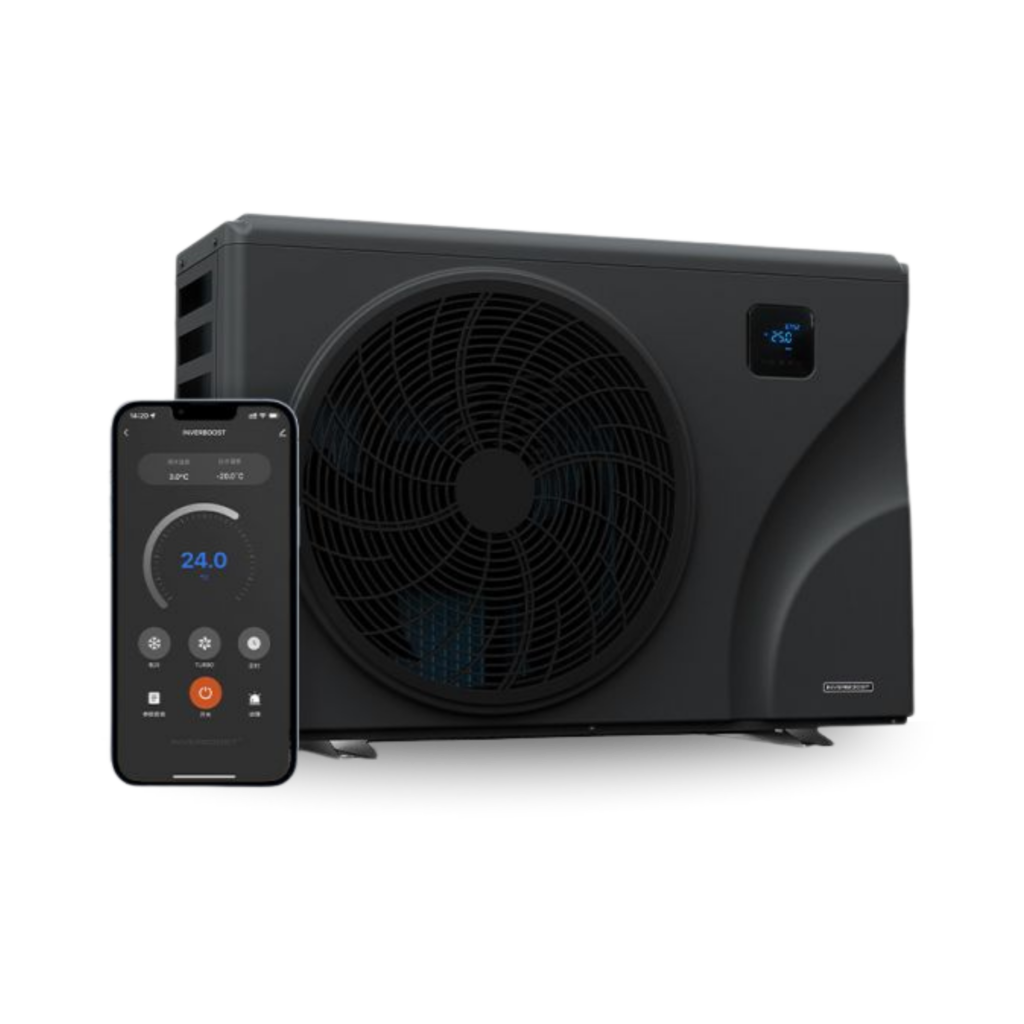
An air source heat pump works by extracting heat energy from the air outside and transferring it into water that circulates through radiators or underfloor heating. Even when the weather is cold, there is still usable heat energy in the air. This is why heat pumps are designed to work in winter conditions, and why they can continue heating homes effectively even as temperatures drop.

A major comfort benefit is how heat pumps heat the home. Instead of quick bursts of high heat, a heat pump typically maintains a steadier indoor temperature over longer periods. That means fewer “hot then cold” swings, fewer cold corners, and more consistent warmth in living spaces, hallways, and bedrooms. For households that currently avoid heating certain rooms because of cost, a properly sized and well-set-up heat pump can make the home feel more evenly heated.

Lower Bills and Better Heating Control.

A heat pump can reduce heating costs in the right home, particularly when it has been properly designed, correctly commissioned, and matched with effective heating controls. Understanding how much heat a property loses is an important part of this process, as it ensures the system is sized and set up to meet the home’s actual needs rather than working harder than necessary. Many households currently lose money through inefficient heating patterns, oversized boilers that cycle on and off frequently, or poorly controlled systems that run at higher temperatures than needed. These issues can lead to wasted energy and higher bills without delivering consistent comfort. With a heat pump, temperature settings, flow temperatures, and heating schedules play a key role, and modern controls help manage these factors so the home can stay warm in a steady, efficient way without unnecessary energy use.

Some households may be able to improve savings further by using a smart electricity tariff and optimising how and when energy is used. For example, running certain heating or hot water cycles during lower-cost periods can help reduce overall electricity expenses. Government-backed guidance has noted that savings from heat pumps can vary depending on how the system is operated and the characteristics of the home itself. It also highlights that optimisation, appropriate controls, and the choice of tariff can influence outcomes. This means that, alongside the technology, how the system is set up and used on a daily basis is an important part of achieving the best balance between comfort and cost.

Works With Radiators, Works With Older Homes, and What Changes Might Be Needed.

One of the most common public questions is whether heat pumps work in older houses, terraced homes, or properties with limited insulation. The practical answer is yes, they can work in a wide range of homes, but the system must be designed around the home’s heat loss and the size of the heat emitters. Some homes may need radiator upgrades, better controls, or targeted insulation improvements to get the best performance. Government and independent heat pump guidance consistently stresses that suitability is about design and setup, not simply the age of the building.

This is also why the survey matters. The survey checks the property layout, existing heating system, hot water setup, radiator sizing, and where the outdoor unit can be installed. If you are aiming for a free heat pump through a qualifying route, the survey is the step that confirms the correct system for that property.


Noise, Neighbours, and Outdoor Unit Placement.

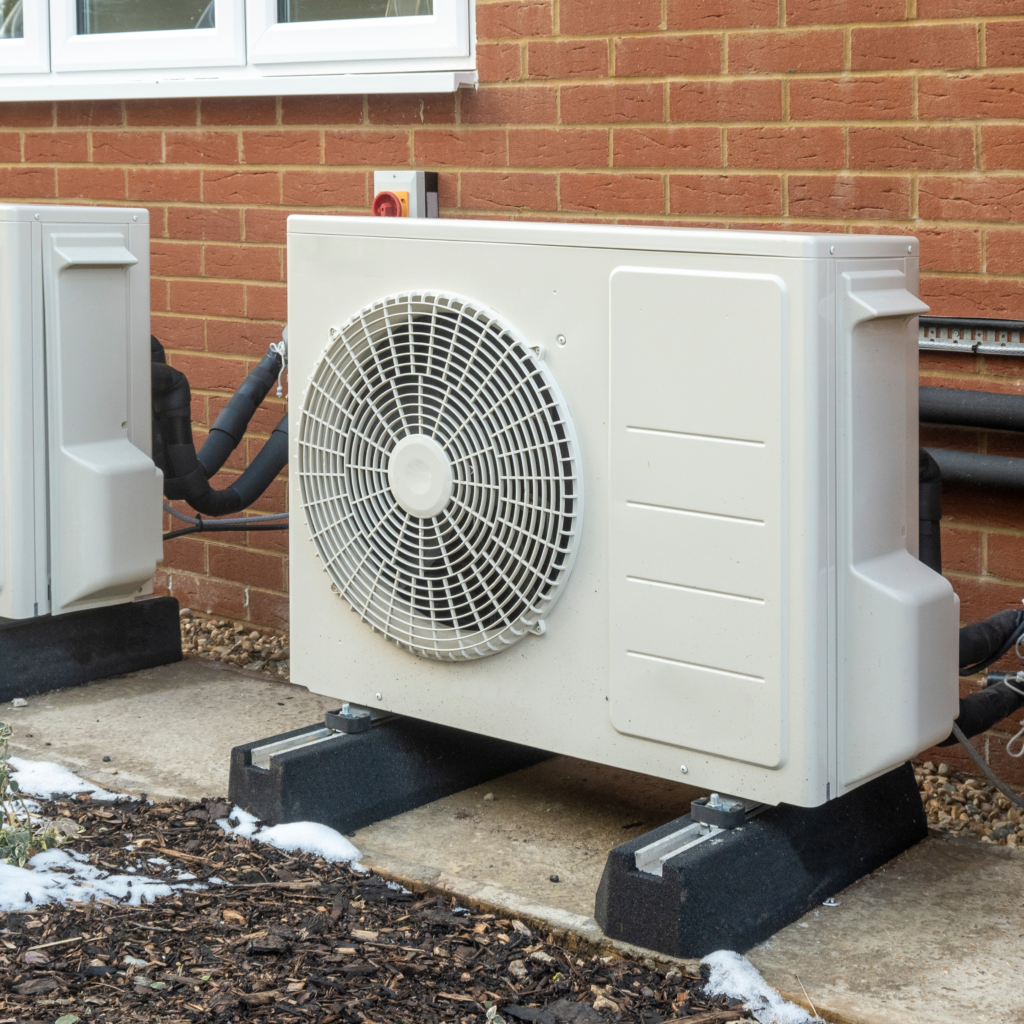
A very common question people have about air source heat pumps is whether they are noisy. In practice, modern units are specifically designed with noise reduction in mind and operate at sound levels that are generally comparable to everyday background sounds. When concerns about noise do arise, they are often linked not to the technology itself but to factors such as poor placement, incorrect mounting, or substandard installation. For example, positioning a unit too close to a boundary, placing it on an unstable surface, or failing to consider airflow can make sound more noticeable than it needs to be. Professional installation plays a key role in ensuring the unit is located where airflow is clear, vibration is controlled, and sound impact is minimised. Routine servicing also helps a heat pump remain efficient and quiet over time, as clean components and well-maintained fans and motors are less likely to produce unnecessary noise.


Another common area of concern is planning rules and whether permission is needed before installation. In recent years, planning guidance has been updated to make it easier for many homes to install heat pumps under permitted development rules, reducing some of the barriers that previously existed. However, exact requirements can still vary depending on property type, location, and local constraints. Factors such as living in a listed building, a conservation area, or having limited space around the property can affect what is allowed. Because of this, installers assess not only the technical suitability of the system but also placement in relation to boundaries, neighbours, and planning conditions. Checking compliance during the assessment stage helps ensure the installation meets relevant rules while still delivering effective heating performance for the home.

Winter Performance and “Do Heat Pumps Work When It’s Freezing?

This question comes up constantly, especially in colder regions where people are concerned about how well a heat pump can perform during winter. The important point is that air source heat pumps are specifically designed to work in cold weather. Even when outdoor temperatures drop to low levels, there is still usable heat energy present in the air. Heat pumps are built to capture this energy and transfer it into the home’s heating system. Modern systems are engineered to operate in freezing conditions, and many are tested to ensure they continue providing heat reliably during winter months.

A properly installed and correctly sized system will continue heating the home steadily, maintaining indoor comfort even when temperatures outside are low. Like any heating system, overall efficiency and running costs depend on several factors. These include how well the system has been designed for the property, the level of insulation in the home, the size of radiators or underfloor heating, and how the heating controls are set up and used. When these elements are considered together, a heat pump can provide consistent warmth throughout winter. The key message is that the technology itself is built for year-round operation, including cold weather, and with the right setup it can be an effective and reliable heating solution.
Maintenance, Servicing, and Long-Term Reliability.

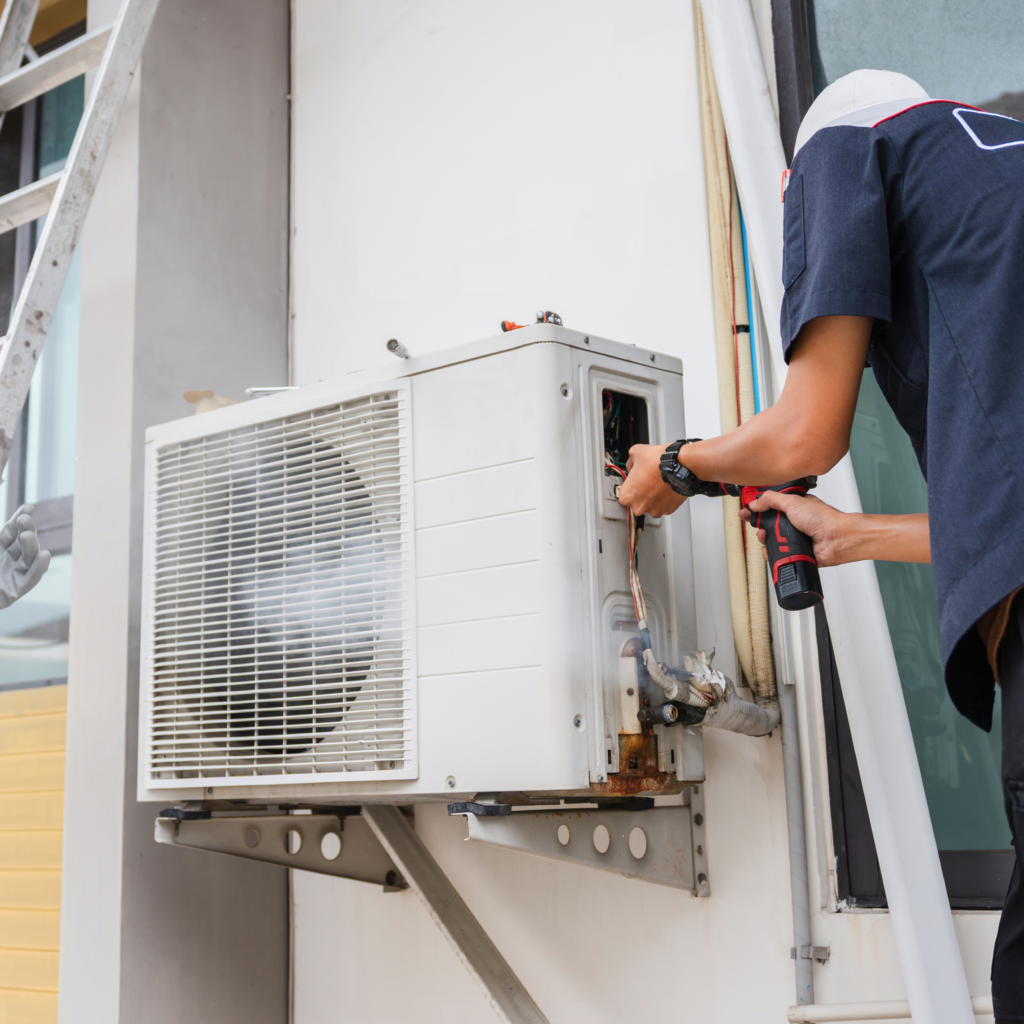
People also ask what maintenance looks like for an air source heat pump and whether it is complicated. In reality, maintenance requirements are similar in principle to other heating systems, but often more straightforward than many people expect. Like any system that runs regularly throughout the year, a heat pump benefits from routine checks to ensure it continues working efficiently and reliably. Regular attention helps keep performance levels high, reduces the risk of unexpected issues, and supports the long-term lifespan of the equipment.

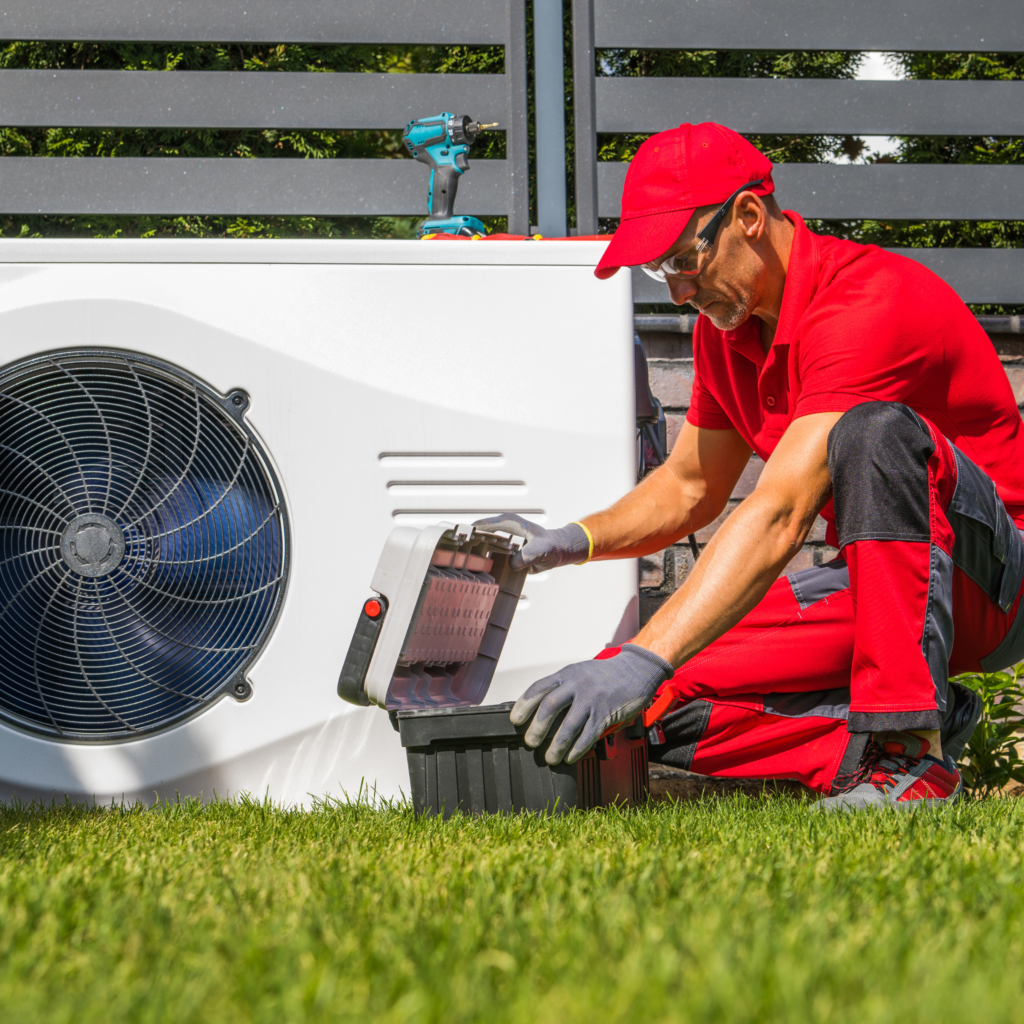
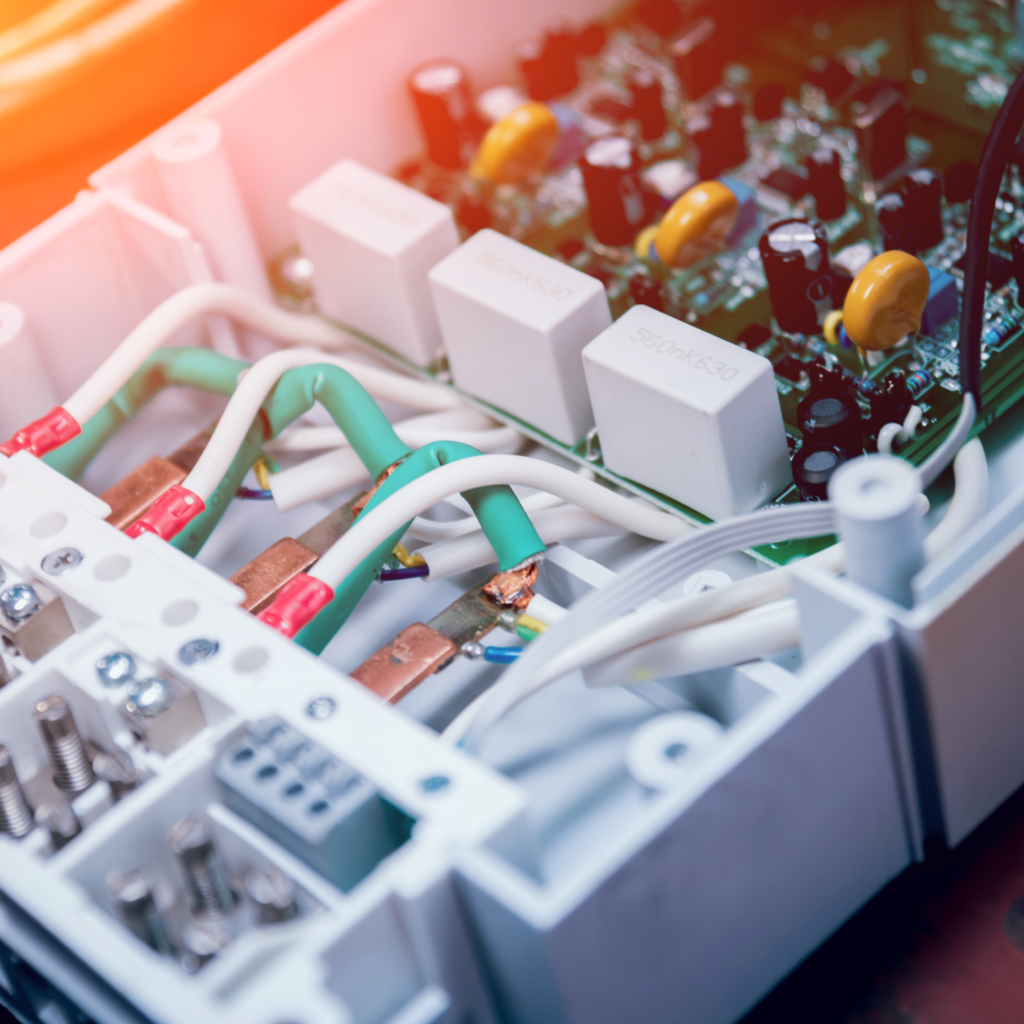
An annual service carried out by a qualified professional helps keep the system operating as it should. This service supports efficient performance, quieter operation, and ensures that key components remain in good condition. During a typical visit, the engineer will check system pressures, inspect connections and pipework, clean filters or coils if needed, and make sure fans and moving parts are functioning properly. Controls and settings may also be reviewed to confirm the system is running in line with the home’s heating needs. These checks help identify small issues before they become larger problems and ensure the heat pump continues delivering steady, reliable warmth. Overall, maintenance is about keeping the system tuned and operating as intended, rather than dealing with complex or frequent repairs.

Heat Pump and Solar Together, and Why It Can Feel Like a “Free Heating” Upgrade

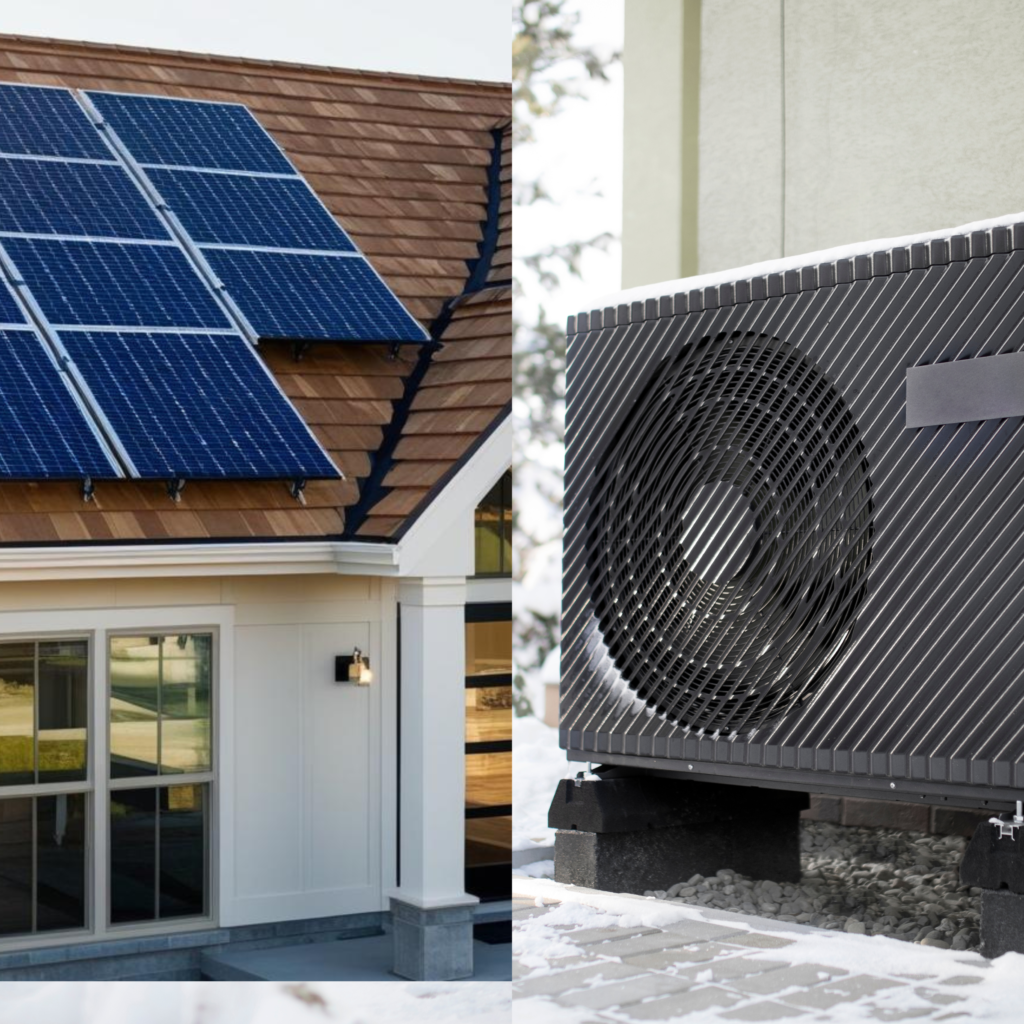
A huge number of homeowners ask whether solar panels can power a heat pump, especially when they are looking for ways to lower running costs and make their home more energy independent. The simple answer is that solar can contribute to the electricity a heat pump uses, particularly during daylight hours when the panels are generating power. Because a heat pump runs on electricity rather than gas, any solar energy produced at home can help cover part of that demand. This can be especially helpful during the day when heating systems, hot water production, and household appliances may all be drawing power at the same time.

When solar is combined with smart controls and battery storage, the overall benefit can increase further. Smart controls can help schedule heating and hot water production more efficiently, while a battery can store excess solar energy generated during the day for use later in the evening. Together, this setup allows some households to reduce how much electricity they need to buy from the grid. It does not mean the heat pump costs nothing to run, but it can lower running costs and improve overall home energy independence. By generating and managing more of their own energy, households gain better control over how and when power is used.

Public Questions About Air Source Heat Pumps, Answered Clearly

People ask whether a heat pump will heat water properly. It will, and the system is designed to provide hot water through a cylinder setup, but settings and scheduling matter, and installers configure this during commissioning.

People ask whether they must insulate first. Insulation is helpful because it reduces heat loss and supports lower running costs, but the bigger principle is that the home must be assessed so the heat pump system is sized and set up correctly for that property. Guidance and expert Q&As commonly highlight that older or less insulated homes may still be suitable with the right design choices.

People ask about running costs compared to gasby tariff, home heat loss, system efficiency, and household behaviour. Some households see savings, especially when they optimise tariffs and reduce gas standing charges if they disconnect from gas, but results are not identical for everyone. 

People ask whether the grant is automatic and whether everyone can get a free heat pump. It is not automatic. Eligibility rules apply, and messaging needs to be clear that support is subject to criteria and survey confirmation.

Why Warm Homes Makes This a Real Opportunity Now.

Warm Homes is focused on cutting bills, improving comfort, and scaling clean heating and home upgrades. It explicitly includes clean heat technologies like heat pumps and sets out a large national upgrade ambition and support routes for different household types, including direct support for low-income households and wider pathways for homeowners.
If your home and circumstances qualify, this opportunity could mean a free air source heat pump installation or a heat pump supported so heavily that the upfront cost is reduced dramatically. That is why so many people search “free heat pump”, “air source heat pump grant”, “heat pump government scheme”, “heat pump installation near me”, and “free heating upgrade”.

All support is subject to eligibility, survey and funding approval.

© All Rights Reserved by The Warm Home

Powered by Click Shire LTD