
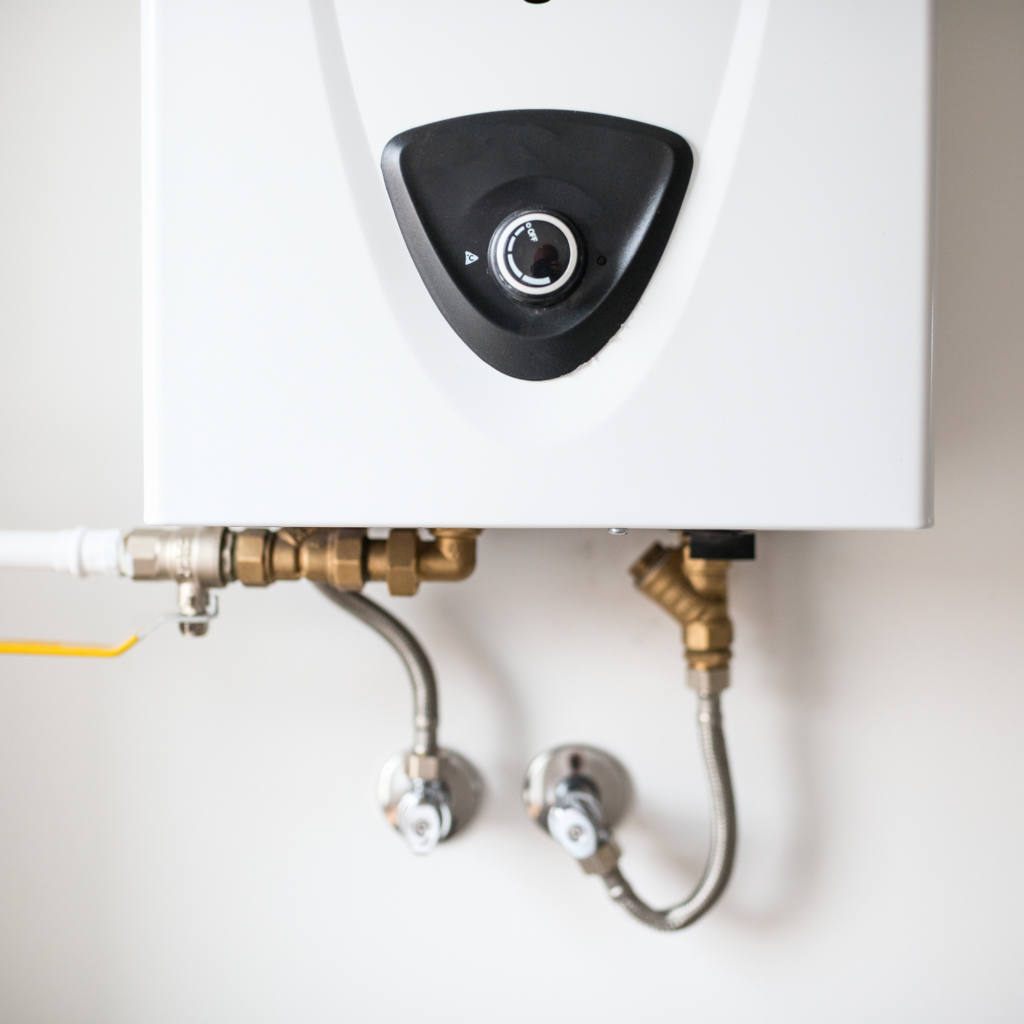


Free Boiler Upgrade for Qualifying Households.

If your home feels cold, your boiler is unreliable, or your heating costs are getting out of control, a boiler upgrade can make a real difference to comfort and monthly bills. Many people search for a “free boiler” because the biggest barrier is the upfront cost. The good news is that, in Great Britain, there are still routes where qualifying households may be able to receive a free boiler upgrade or a boiler replacement with little or no upfront cost, depending on household circumstances, property suitability and scheme availability.

It is important to understand one key point: a “free boiler” normally comes through fuel-poverty or low-income support routes, not through a standard retail discount. That is why eligibility matters. If you qualify, the outcome can feel like a free boiler, because the cost is covered by a funded programme rather than paid by you.

How “Free Boiler” Support Works in 2026.

In 2026, the main “free boiler” route people talk about is linked to ECO (Energy Company Obligation) delivery for low-income and fuel-poverty households, where heating and insulation upgrades are installed for eligible homes. Ofgem describes ECO as a government energy efficiency scheme designed to tackle fuel poverty and reduce carbon emissions.
ECO4 specifically has been extended, with the UK government confirming a new end date of 31 December 2026.
This matters because it means qualifying households may still have a window in 2026 to access funded heating upgrades that people often describe as a free boiler. At the same time, government plans are shifting funding away from bill-levy obligations and toward the Warm Homes approach, which is presented as a larger, longer-term public investment in home upgrades and cleaner heating.
The Warm Homes Plan also makes clear, in its modelling annex, that ECO and GBIS levy funding ends in April 2026 as part of wider bill changes, even while ECO4 delivery can still continue to the revised end date.

means for a customer reading your page is simple: if they qualify, they may still be able to get a free boiler style upgrade through the current routes, but timing and eligibility checks matter, and availability can vary.

What Counts as a “Free Boiler” Upgrade.

When customers say “free boiler”, they usually mean one of these outcomes.

A funded boiler replacement where the installation is covered by an obligation scheme for qualifying low-income households, so the customer pays nothing or close to nothing.

A heavily supported heating upgrade where the programme covers most of the cost and any remaining contribution is minimal.

A full heating fix where additional measures may be included, such as controls or targeted insulation, because the best results come from improving the whole home, not just swapping a boiler.

The exact package depends on the property, the existing heating, and the route being used.

Protection From Future Energy Price Rises.

Most people who successfully get a free boiler are in the low-income or fuel-poverty category, often linked to certain benefits or a combination of income and property factors. ECO is explicitly focused on households in or at risk of fuel poverty.

Eligibility is not only about the person; it is also about the home. Many schemes prioritise properties with poor efficiency because that is where upgrades make the biggest impact.

If your household qualifies and your property is suitable, you may be eligible for a free boiler upgrade route. If you do not qualify for a free boiler, you may still qualify for other support, including cleaner heating options.

The Comfort Benefits of a Free Boiler Upgrade.

A boiler that is struggling or nearing the end of its lifespan often leads to a range of everyday problems within the home. Heating can become uneven, with some rooms warming up slowly while others never seem to reach a comfortable temperature at all. Radiators may stay lukewarm, hot water can run out quickly, and the system may take a long time to respond when the heating is switched on. Frequent breakdowns and faults add to the frustration, often resulting in repeated call-out charges and temporary fixes that never fully solve the issue. Over time, this creates a home environment where comfort is unreliable and heating feels inefficient and difficult to manage.

A properly installed boiler replacement can significantly improve this situation. A modern system is designed to heat the home more evenly, helping to reduce cold spots and maintain a consistent temperature across different rooms. Improved controls allow households to better manage when and how the heating runs, making it easier to match warmth to daily routines. For households that are currently limiting their heating because of cost worries, a free boiler upgrade can remove the constant stress that comes with turning the heating on and fearing an immediate spike in bills. One of the biggest quality-of-life improvements is confidence: the confidence to heat the home when it is needed, to keep living spaces comfortable, and to stop worrying about breakdowns or unexpected repair costs.


The Money-Saving Benefits of a Free Boiler Upgrade.

People don’t just want a free boiler; what they really want is lower, more manageable energy bills and a heating system they can rely on. If your existing boiler is old, inefficient or frequently breaking down, it is likely wasting fuel every time it runs. Older systems often struggle to operate efficiently, burning more gas to produce the same level of heat and losing energy through outdated components or poor control. Replacing an inefficient boiler with a properly installed, modern system can reduce this waste and improve how effectively heat is delivered throughout the home. While savings will vary depending on the property, usage patterns and system setup, the overall direction is clear: less fuel wasted, more consistent heating, and improved controls usually result in lower running costs over time.

A free boiler upgrade can also protect your household budget in ways that go beyond monthly energy bills. Older boilers are more likely to need frequent repairs, emergency callouts and replacement parts, all of which add unexpected costs that can quickly build up. Many households find themselves stuck in a cycle of paying for temporary fixes that never fully resolve the underlying problem. A funded boiler replacement can break that cycle by providing a reliable system that works as intended. This reduces the risk of sudden breakdowns, cuts down on repair expenses, and gives households greater financial stability by removing the ongoing worry of unexpected heating costs.

Why Many People Are Seeing “Cleaner Heating” Alongside Free Boiler Searches

Search trends have shifted over time. Many customers still type “free boiler” because it is a familiar term and has been used for years to describe funded heating help. However, government programmes are increasingly moving toward cleaner heating solutions, such as heat pumps, because these technologies align more closely with long-term energy and climate plans. The Warm Homes Plan clearly sets out that upgrades like heat pumps, solar panels, battery storage and targeted energy efficiency improvements are central to reducing household bills and improving comfort across the housing stock.

For some households, a boiler replacement may still be the most suitable upgrade, particularly in the short term or where existing systems are failing and cleaner options are not yet appropriate. For other households, the best funded route may be clean heating support rather than a boiler. The key factor is not the name of the upgrade, but matching the right solution to the property, the household’s circumstances and the eligibility criteria, so the upgrade delivers real comfort and cost benefits.

The Questions People Ask Most About Free Boilers, Answered.

People ask if a free boiler is genuinely free. For qualifying households, it can be free in the sense that the cost, but eligibility rules apply and a survey is needed to confirm suitability. That is why “free boiler” is best explained as “free boiler if you qualify”.

People ask if they need to be on benefits. Often, yes, because fuel-poverty programmes target low-income households. Eligibility can also involve income thresholds, vulnerability factors, and property efficiency depending on the delivery route. ECO is designed around fuel poverty outcomes.

People ask how long the process takes. A realistic timeline includes an eligibility check, property assessment, and installer scheduling. The key is applying early while funding and installer capacity are available.
People ask whether renters can get a free boiler. In many cases, renters can benefit, but the landlord typically needs to be involved because changes to the heating system require property owner permission. The Warm Homes Plan also sets out a stronger direction of landlords being required to improve energy efficiency standards over time. People ask if a free boiler will fix damp and mould. A new boiler helps heating reliability, but damp and mould are usually also linked to ventilation and insulation. That is why many programmes consider whole-home improvements rather than one measure alone People ask whether the scheme is ending. The government has confirmed ECO4 is extended and will end on 31 December 2026. The policy landscape is also changing as Warm Homes delivery scales, and the Warm Homes Plan modelling annex references levy funding ending in A bill changes.

All support is subject to eligibility, survey and funding approval.

© All Rights Reserved by The Warm Home

Powered by Click Shire LTD