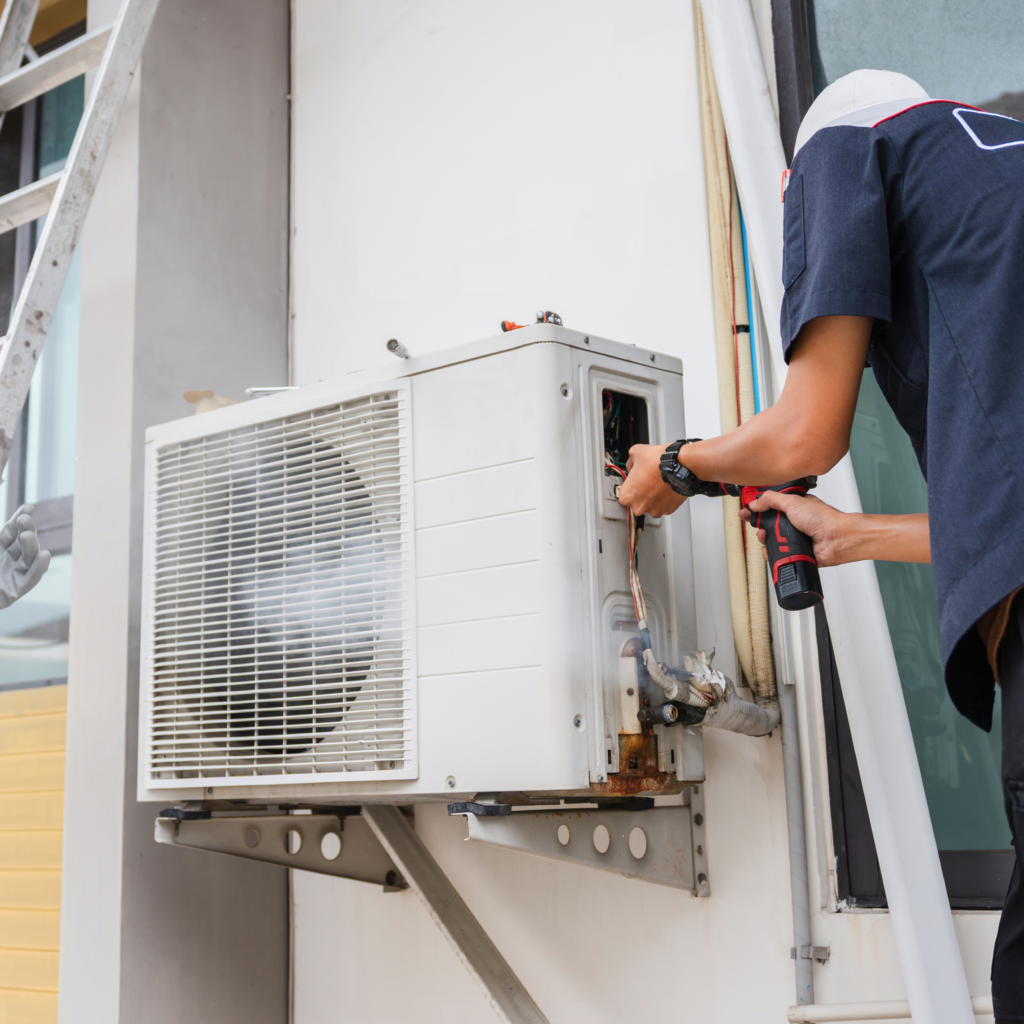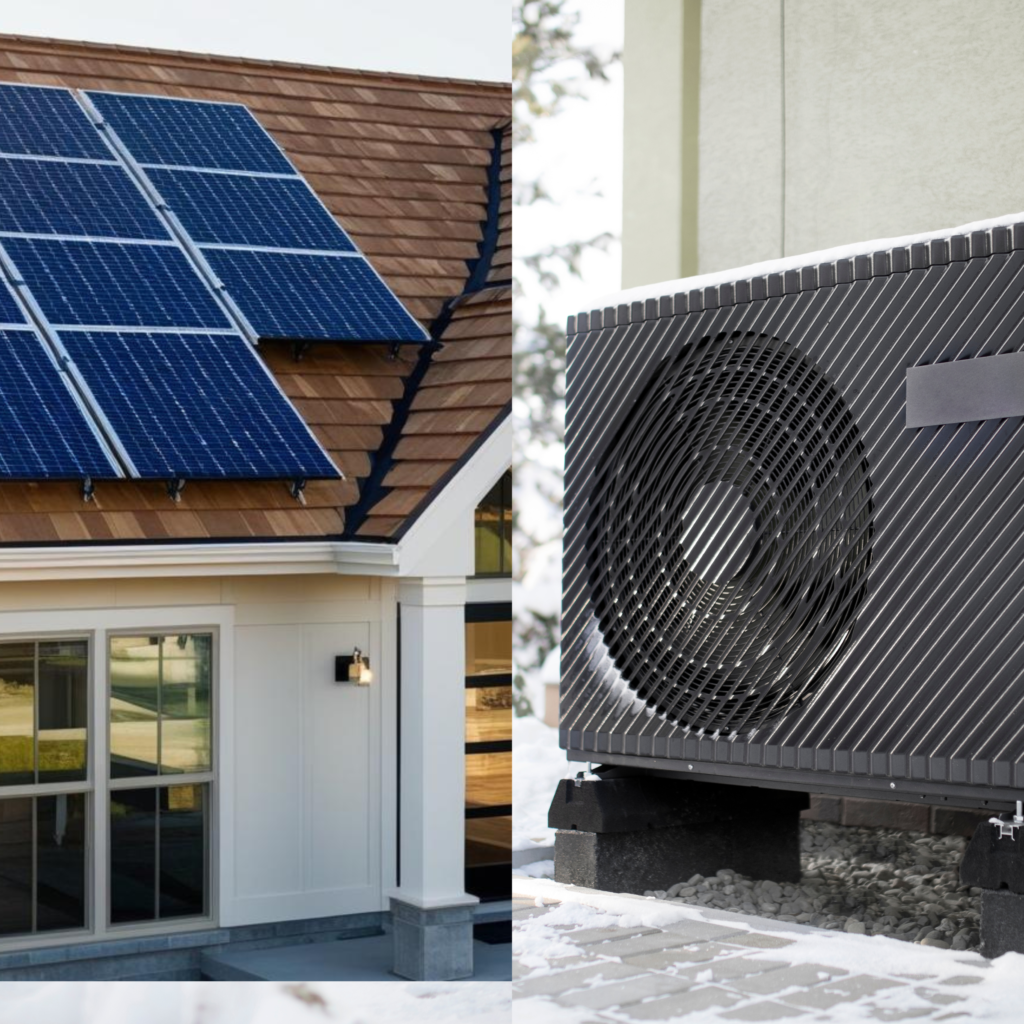

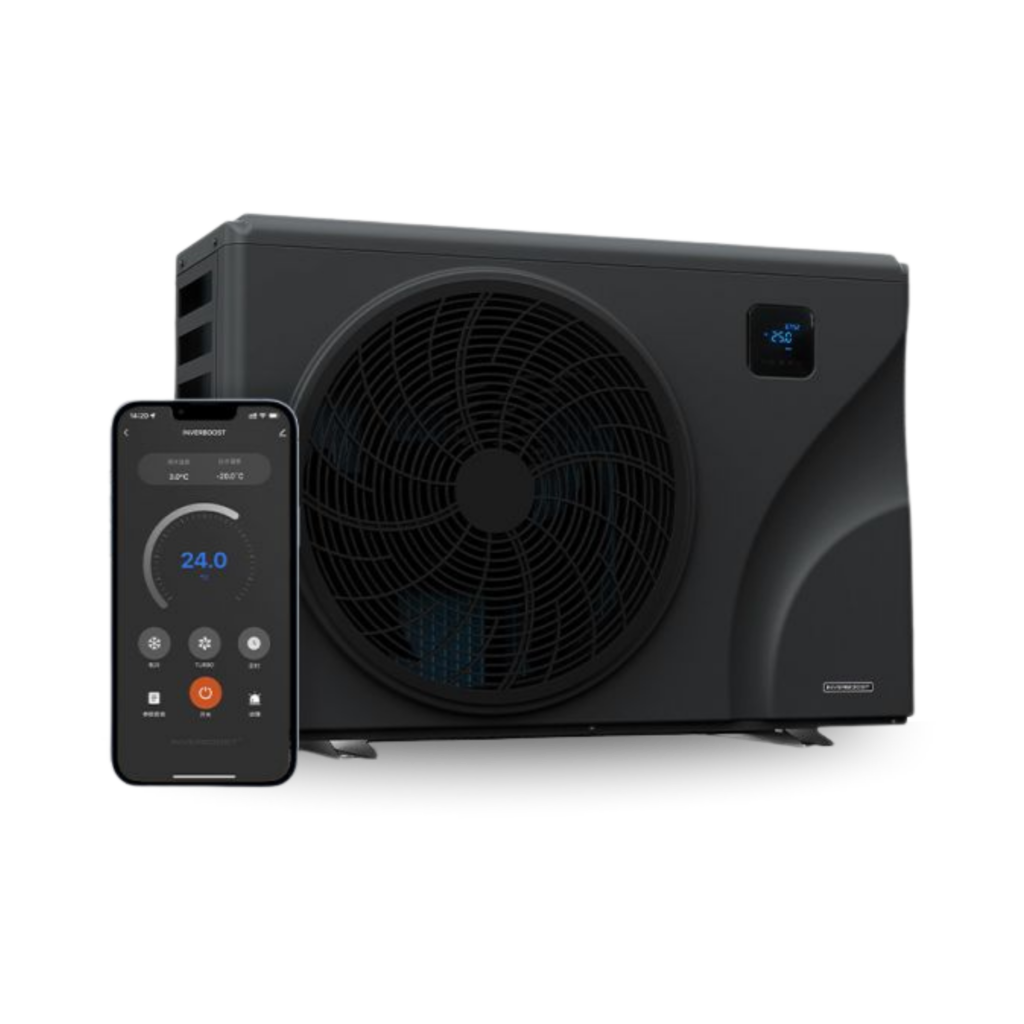

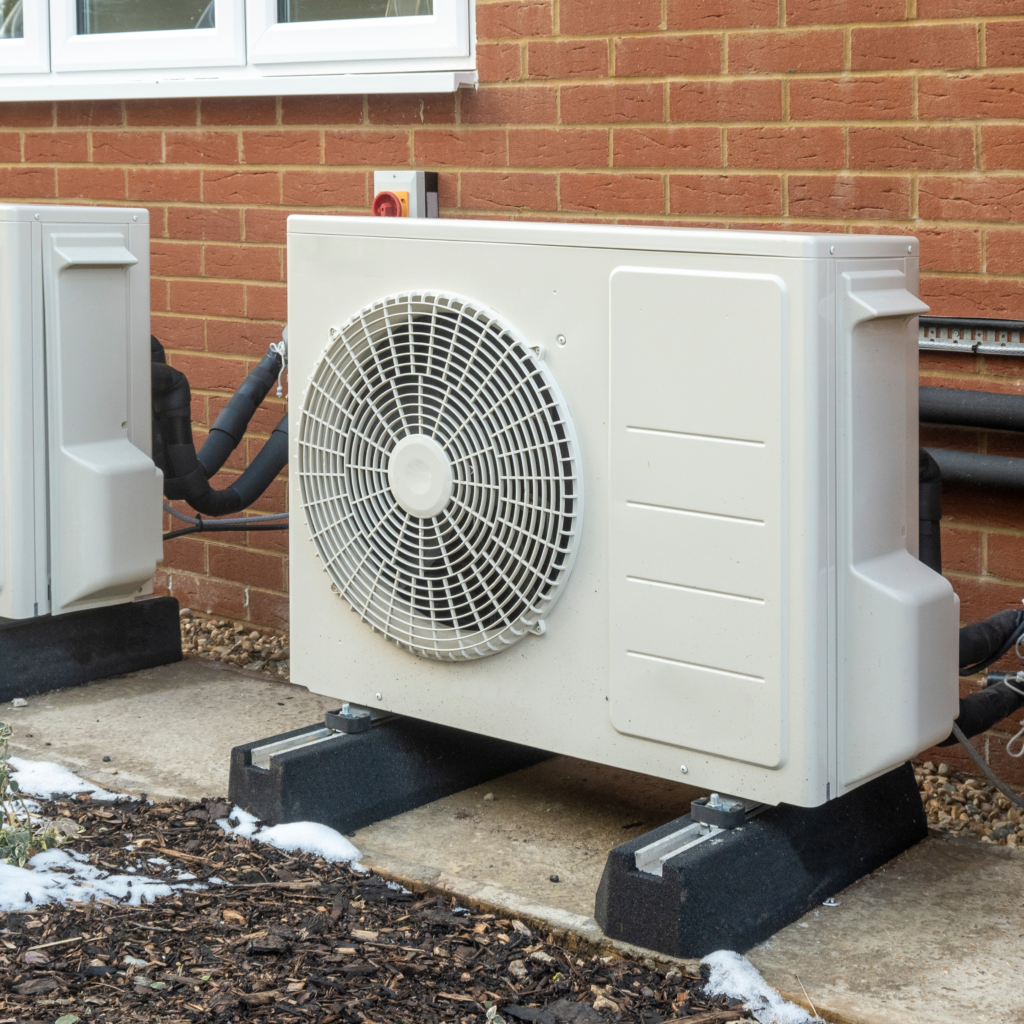
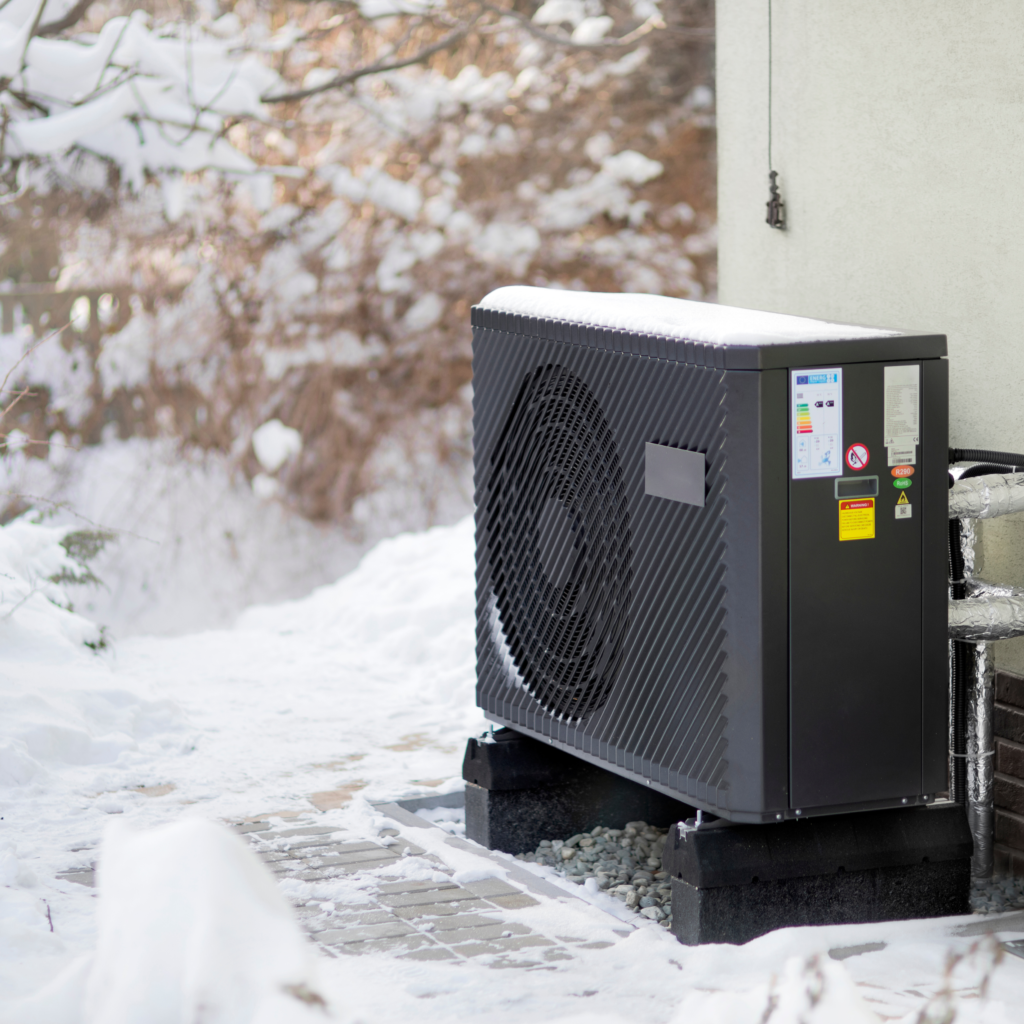
This question comes up constantly, especially in colder regions where people are concerned about how well a heat pump can perform during winter. The important point is that air source heat pumps are specifically designed to work in cold weather. Even when outdoor temperatures drop to low levels, there is still usable heat energy present in the air. Heat pumps are built to capture this energy and transfer it into the home’s heating system. Modern systems are engineered to operate in freezing conditions, and many are tested to ensure they continue providing heat reliably during winter months.
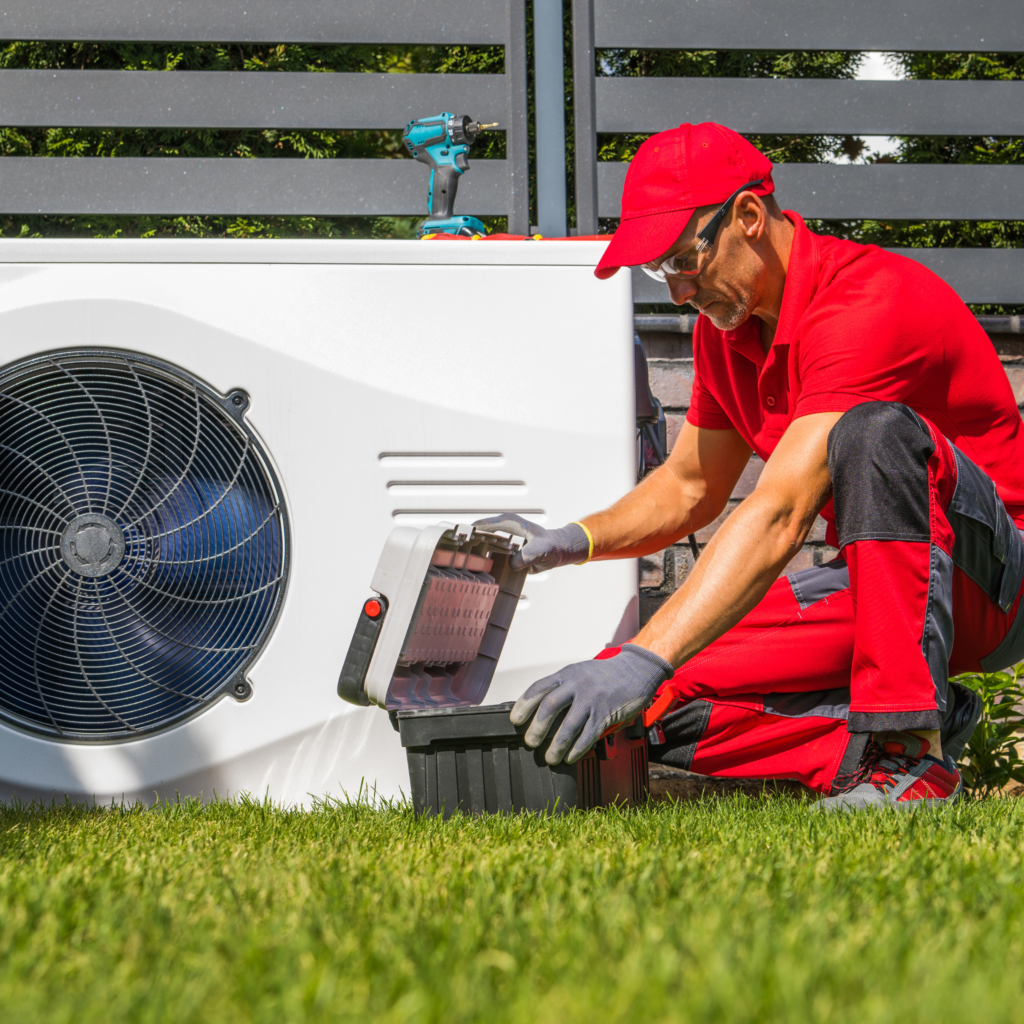
A properly installed and correctly sized system will continue heating the home steadily, maintaining indoor comfort even when temperatures outside are low. Like any heating system, overall efficiency and running costs depend on several factors. These include how well the system has been designed for the property, the level of insulation in the home, the size of radiators or underfloor heating, and how the heating controls are set up and used. When these elements are considered together, a heat pump can provide consistent warmth throughout winter. The key message is that the technology itself is built for year-round operation, including cold weather, and with the right setup it can be an effective and reliable heating solution.