






Solar Panels for Your Home

Rising electricity prices and cold indoor temperatures continue to put pressure on households, especially in homes that are expensive to heat and run. Many families find themselves using less heating than they need simply to keep bills under control, which can lead to uncomfortable living conditions during colder months. At the same time, everyday electricity use for lighting, cooking, appliances, and home working keeps adding to monthly costs. Solar panels offer a practical and long-term solution by allowing homes to generate their own electricity directly from daylight. This reduces dependence on energy suppliers, lowers the amount of power taken from the grid, and helps make daily living more affordable and predictable.

Through the Warm Homes opportunity, households whose property and personal circumstances qualify may be able to access solar panel installation with no upfront cost. This makes modern renewable technology more accessible to families who might otherwise find it financially out of reach. Instead of facing large installation expenses, qualifying households can focus on the long-term benefits, including reduced energy bills and improved home performance. Solar power also supports other energy-saving improvements, helping properties become more efficient overall. It is not just about producing electricity; it is about creating a home that is easier to keep warm, more comfortable to live in throughout the year, and cheaper to operate in the face of rising energy prices.

Solar power is not just about generating electricity. It improves how a property performs, how comfortable it feels and how much it costs to run throughout the year.

How Solar Panels Reduce Your Electricity Bills

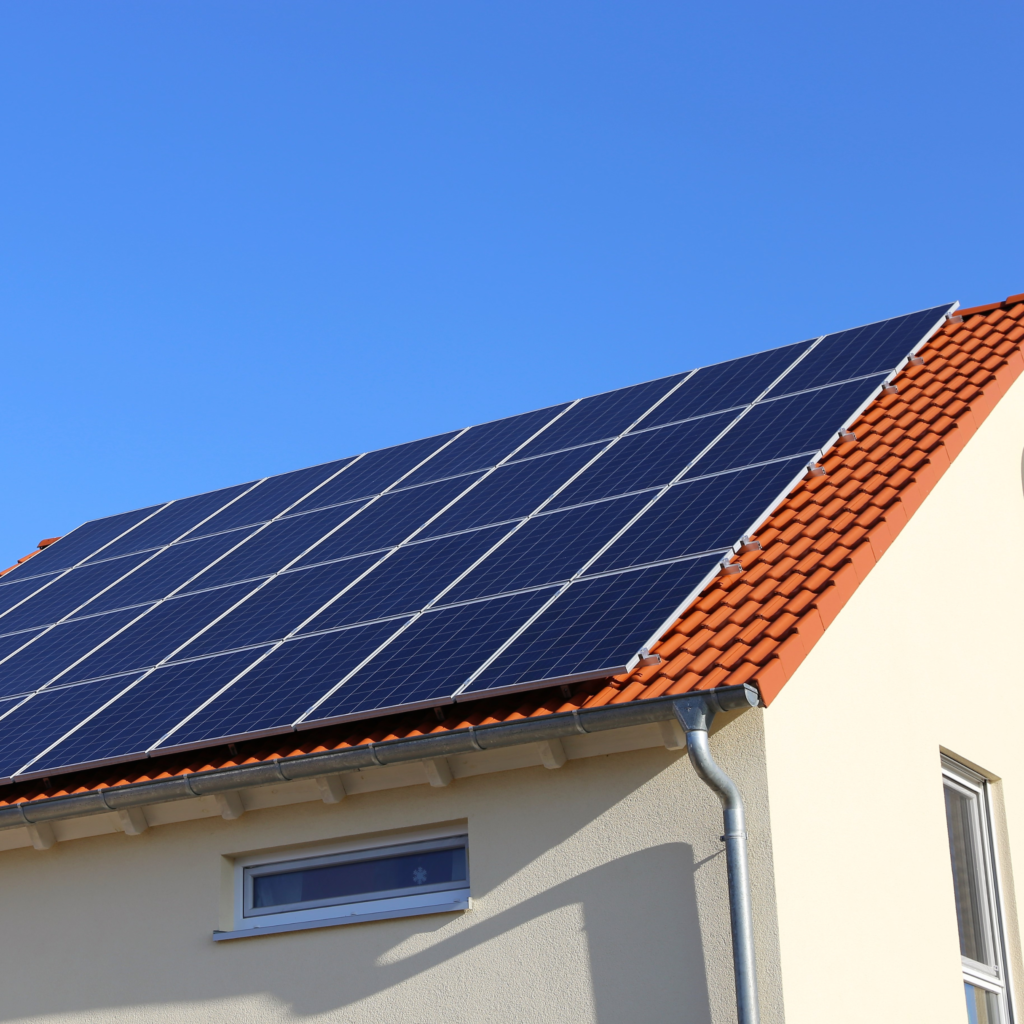
When solar panels are installed on a suitable roof, they capture natural daylight and convert it into usable electricity for your home through a system called photovoltaic generation. This electricity is fed directly into your property’s electrical system, meaning that during daylight hours your home can run on the energy it produces itself rather than relying entirely on power from the grid. As a result, the amount of electricity drawn from your supplier is reduced, which lowers the readings on your meter and decreases the total you pay on your energy bills. Even on cloudy days, solar panels can still generate a level of electricity, helping to support your household’s daily energy needs.

Homes that use electricity during the daytime tend to benefit even more from a solar installation. Activities such as cooking, running washing machines or dishwashers, using computers while working from home, and operating heating controls or pumps all require power that solar can help supply. Over time, this can lead to noticeable yearly savings, especially in households with steady daytime energy use. As energy prices continue to rise, the financial value of generating your own electricity increases as well. Instead of being fully exposed to market price changes, a portion of your household’s energy demand is met by your own system, giving you greater control over long-term energy costs and improving overall household affordability.

Making Your Home Feel Warmer Without Driving Up Costs

Many homes that struggle with cold rooms rely heavily on electric heaters, storage heaters, or frequent boiler use to try to maintain a comfortable temperature. In properties with poor insulation or high heat loss, heating systems often have to work harder and for longer periods just to keep rooms warm. This constant use can lead to high energy bills, which then causes many households to limit how often they turn the heating on. As a result, people may live in colder conditions than they would like, avoiding heating certain rooms or reducing thermostat settings simply to manage costs. Over time, this can affect overall comfort, wellbeing, and how enjoyable the home feels, particularly during colder months.

Solar panels help change this balance by reducing the cost of electricity used within the property, especially during daylight hours. When a home can produce its own electricity, it becomes more affordable to run electric heating systems, smart heating controls, circulation pumps, and low-carbon heating technologies. This support makes it easier for households to maintain steady indoor temperatures without the same level of concern about every unit of energy used. Instead of constantly worrying about rising bills, families can heat living areas more confidently and consistently. A home that costs less to power overall is a home that can be kept warmer and more comfortable, helping residents make better use of their space throughout the day and evening.

Protection From Future Energy Price Rises

Energy costs have shown long-term upward trends, and many households have experienced how quickly bills can increase when market conditions change. Relying entirely on electricity from the grid means being directly affected by these price movements, which can make monthly expenses unpredictable and difficult to manage. Solar panels give households a valuable level of independence from these fluctuations. By generating electricity directly from daylight, your home produces part of the energy it needs on-site. The more electricity you generate yourself, the less you depend on purchasing every unit from your supplier, which reduces your overall exposure to price changes.

This works as a form of financial protection over time. Even if national energy prices rise again in the future, your household continues to benefit from its own source of power, helping to keep total energy costs more stable than they might otherwise be. Instead of facing the full impact of market increases, a portion of your energy demand is already covered by your system. Over the lifetime of a solar installation, this added stability and predictability can be just as important as immediate bill savings, giving families greater confidence in managing household budgets and planning for the years ahead.

Greater Savings When Combined With Battery Storage

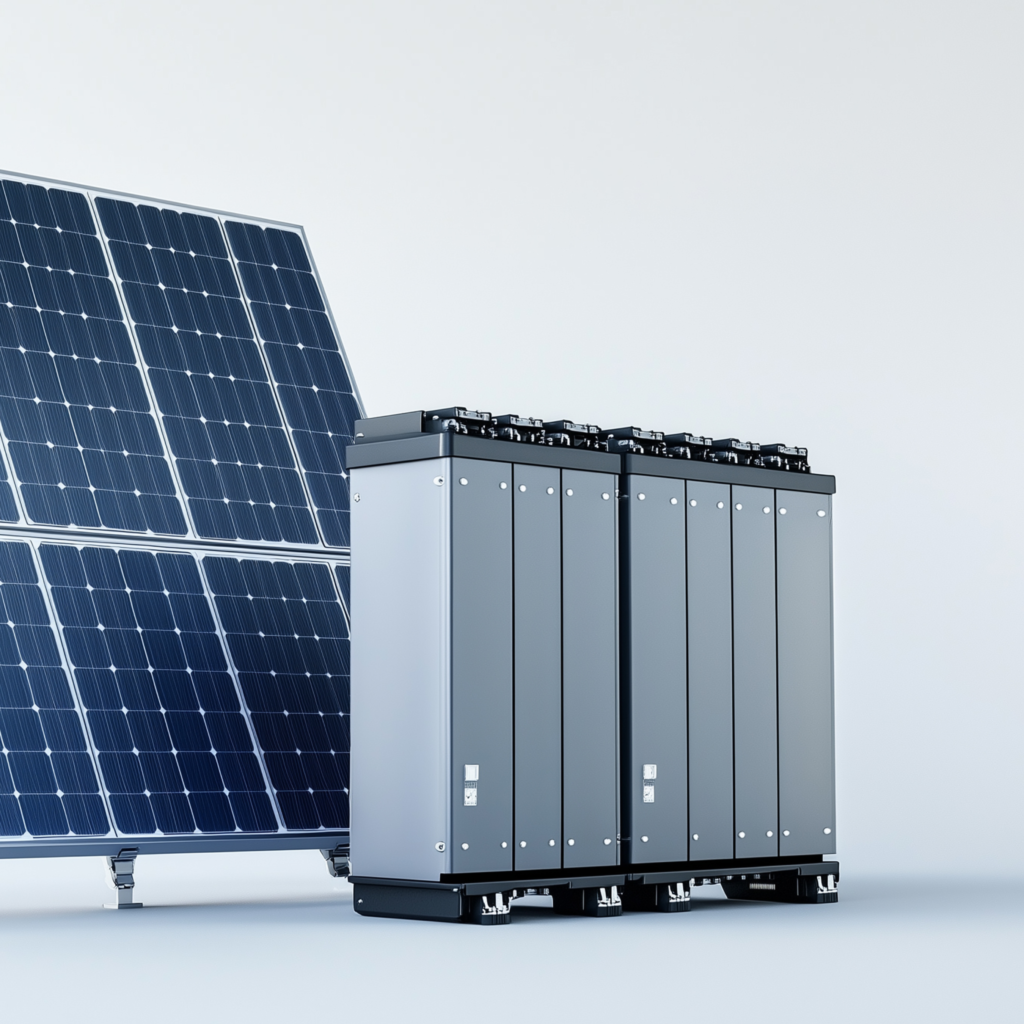
If a property qualifies for battery storage as well, the overall benefits of having solar panels can increase significantly. A home battery system works by storing excess electricity that your solar panels generate during the day, rather than sending all of that unused energy back to the grid. During sunny periods, solar panels often produce more power than a household is using at that moment. Instead of losing that potential benefit, the battery captures and saves this energy for later use. This allows the home to make better use of the electricity it generates itself, rather than relying on external supply once the sun goes down.

The stored energy can then be used in the evening or at night, when solar panels are no longer producing electricity and grid energy is typically being used more heavily. These periods often coincide with higher electricity demand and, in many cases, higher prices. By using stored solar energy during these times, households can reduce the amount of electricity they need to buy from their supplier. This means a larger share of your home’s overall energy use is covered by your own system, which can increase savings and reduce dependence on peak-time electricity. In addition to financial benefits, battery storage also improves how efficiently your property uses energy, helping to balance supply and demand within the home and supporting a more stable, self-sufficient energy setup.

Improving Your Property’s Appeal and Efficiency

Solar panels are widely recognised as a modern and forward-looking home improvement that reflects how energy use is changing in today’s world. Installing solar technology shows that a property has been upgraded with efficiency, cost control and long-term performance in mind. It signals lower day-to-day running costs, stronger overall energy performance and the use of future-ready technology that aligns with the direction of modern housing standards. As energy efficiency becomes more important to homeowners, buyers and tenants alike, properties that already include renewable energy systems often stand out. Homes with reduced energy expenses are more attractive because they offer greater long-term affordability and protection against rising utility costs, which is a key concern for many households.

An upgraded energy system does more than just generate electricity. It can support wider improvements in how the home uses and manages energy overall. When solar panels are part of the setup, households are often more aware of their energy use and more likely to combine solar with other efficiency measures such as smart controls, improved insulation or modern heating systems. Together, these improvements help the property perform better in both colder and warmer months, maintaining comfort while keeping energy use under control. Over time, this creates a home that is not only cheaper to run but also better prepared for future energy standards and expectations.

Cleaner Energy and a Smarter Home

Solar power is a renewable energy source that generates electricity from natural daylight without the harmful emissions associated with burning fossil fuels. Unlike traditional energy production methods that rely on gas or coal, solar panels produce power cleanly and quietly on-site at the property. Installing solar panels is therefore an important step toward cleaner household energy use and more responsible energy management. It allows homes to reduce their environmental impact while also taking advantage of modern technology that improves how energy is produced and used. Solar systems work alongside advances in home energy monitoring, smart meters and efficient appliances, helping households move toward a more controlled and efficient way of managing electricity.

This shift is also about aligning homes with the direction future energy systems are heading. National energy strategies increasingly focus on electrification, smart controls and renewable generation, and properties with solar panels are already part of that transition. As more homes adopt electric heating, batteries and smart technologies, having on-site renewable generation becomes even more valuable. This is not only about environmental benefit but also about preparing homes for how energy will be supplied, stored and used in the years ahead. A property equipped with solar technology is better positioned to adapt to changing energy systems, regulations and cost structures, making it a practical long-term upgrade as well as a cleaner one.

The Warm Homes Opportunity

The Warm Homes initiative focuses on supporting households to upgrade their properties so they become warmer, more energy efficient and more affordable to run throughout the year. Many homes lose heat quickly, cost too much to power, or rely on older systems that are expensive to operate. This initiative is designed to help address those issues by encouraging the installation of modern technologies and improvements that reduce energy waste and lower ongoing household bills. Solar panels are one of the key technologies that support these goals because they help homes generate their own electricity, cut reliance on grid energy and improve overall property performance. By combining renewable generation with wider efficiency improvements, households can experience both greater comfort and better control over their energy costs.

If your property and household circumstances qualify, you may be able to receive solar panel installation with little or no upfront cost as part of this opportunity. This makes advanced energy technology more accessible, particularly for homes where high bills or poor energy performance are ongoing concerns. Support is designed to match the needs and suitability of each property rather than offering a one-size-fits-all approach. Final measures are always confirmed after a home survey and eligibility checks, ensuring the proposed system is appropriate for the roof, electrical setup and overall condition of the property. This process helps make sure the installation delivers meaningful benefits in terms of savings, comfort and long-term energy performance.




Is Your Home Suitable for Solar

Solar works best on roofs that receive good levels of daylight throughout the day and are in suitable structural condition to support an installation. Roofs that are not heavily shaded by trees, neighbouring buildings or other obstructions tend to allow panels to generate more electricity, which increases the overall benefit to the household. The angle and direction of the roof also play a role, as some orientations receive sunlight for longer periods during the day. A well-positioned and well-maintained roof provides the best foundation for a solar system to perform efficiently over the long term.

Properties that use electricity during the daytime often see stronger financial benefits from solar panels because they are able to use more of the electricity as it is being generated. Activities such as cooking, running appliances, working from home, or operating heating controls and pumps can all make use of daytime solar production. To ensure the system is suitable, a home survey is carried out. This assessment looks at roof condition, orientation, shading levels and the existing electrical setup within the property. The survey helps determine what type of system may be appropriate and what support or installation options could be available, making sure the final solution is both practical and beneficial for the household.

Why Households Are Turning to Solar Now

Energy bills remain high for many households, and at the same time a large number of homes still feel colder than they should, especially during the winter months. Rising energy prices make it harder for families to use heating as often as they need, which can lead to people limiting their energy use just to keep monthly costs under control. This creates a situation where comfort is reduced while spending remains a constant concern. As a result, more people are actively looking for long-term ways to lower their outgoings rather than relying only on short-term adjustments or reducing heating use.

Solar panels help address these issues together in a practical and lasting way. By generating electricity at home, solar systems reduce the amount of power that needs to be bought from the grid, which can lower overall electricity costs. This can also make it more affordable to run heating controls, pumps and other home systems that contribute to keeping rooms warm and comfortable. In addition, solar supports overall home performance by working alongside other efficiency improvements, helping the property become easier and cheaper to run throughout the year. With support opportunities available for households whose properties and circumstances qualify, more families are now exploring solar as a sensible step toward creating a home that is warmer, more energy efficient and more affordable in the long term.

All support is subject to eligibility, survey and funding approval.

© All Rights Reserved by The Warm Home

Powered by Click Shire LTD